Picture this: morning paddles on calm harbor water, sunset views over masts, and your favorite cafe a short walk away. If that sounds like your next chapter, Marina del Rey might be a perfect fit. The question is which building fits your lifestyle, from amenities and HOA rules to boat-slip access and flood considerations. This guide breaks down your choices and gives you a simple checklist so you can compare buildings with clarity. Let’s dive in.
What sets Marina del Rey apart
You live by the marina here. The community centers on a man-made small-craft harbor with parks, promenades, and marinaside dining. It feels quieter and more marina-focused than busier nearby spots. You also have easy access to the bike paths, including the Marvin Braude Bike Trail and Ballona Creek, plus short drives to LAX, Santa Monica, Culver City, and West LA.
Many buyers compare Marina del Rey to Santa Monica or Venice. You will find fewer tourist crowds and more boating culture than Venice, and less retail density than Santa Monica’s core. If you value water views and harbor access over a heavy commercial scene, this area delivers.
Choose your building type
Waterfront towers
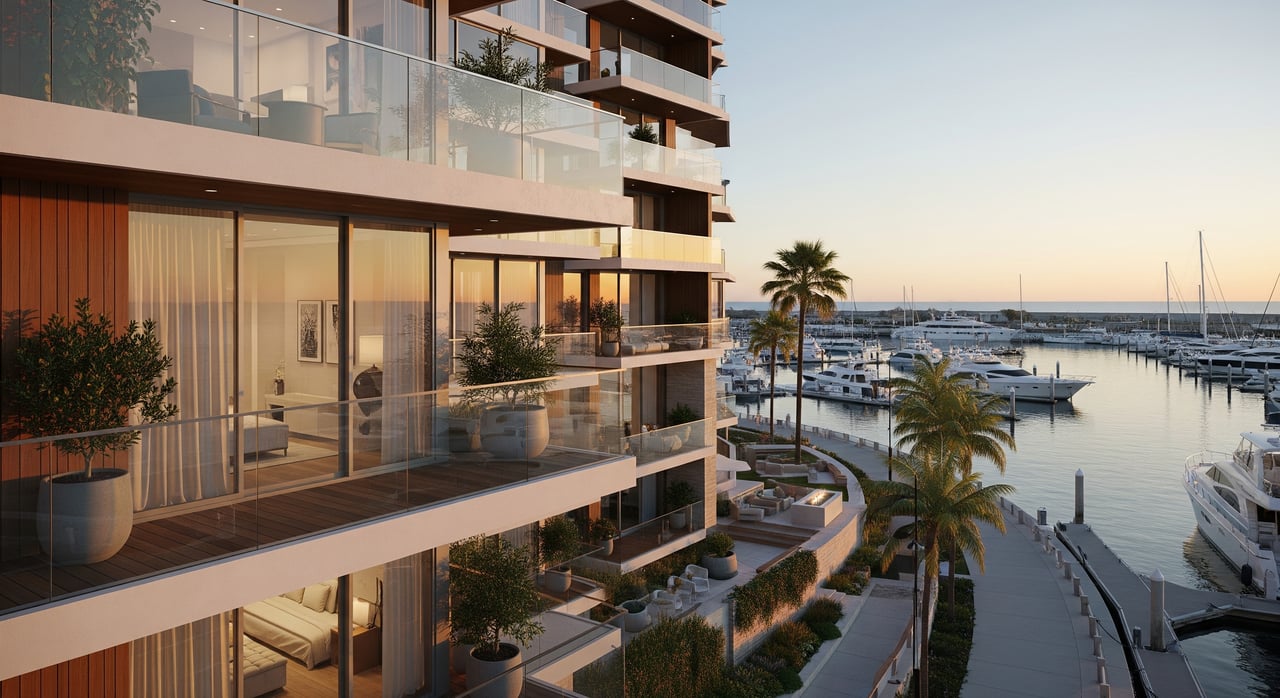
Waterfront towers prioritize views and on-site amenities. Expect marina or water exposures, glassy elevations, balconies, and features like pools, gyms, lobby staff, and security. Some buildings may have on-site management and relationships for boat slips. Tradeoffs often include higher HOA dues, possible elevator wait times, and the need to consider how future development could affect views.
Courtyard low-rises
Courtyard-style buildings feel more intimate, often two to four stories with shared garden spaces. Dues tend to be lower and amenities more modest. You might find shared laundry and limited guest parking. Ground-level homes can have less privacy, and security is usually less formal than in towers.
Townhome-style communities
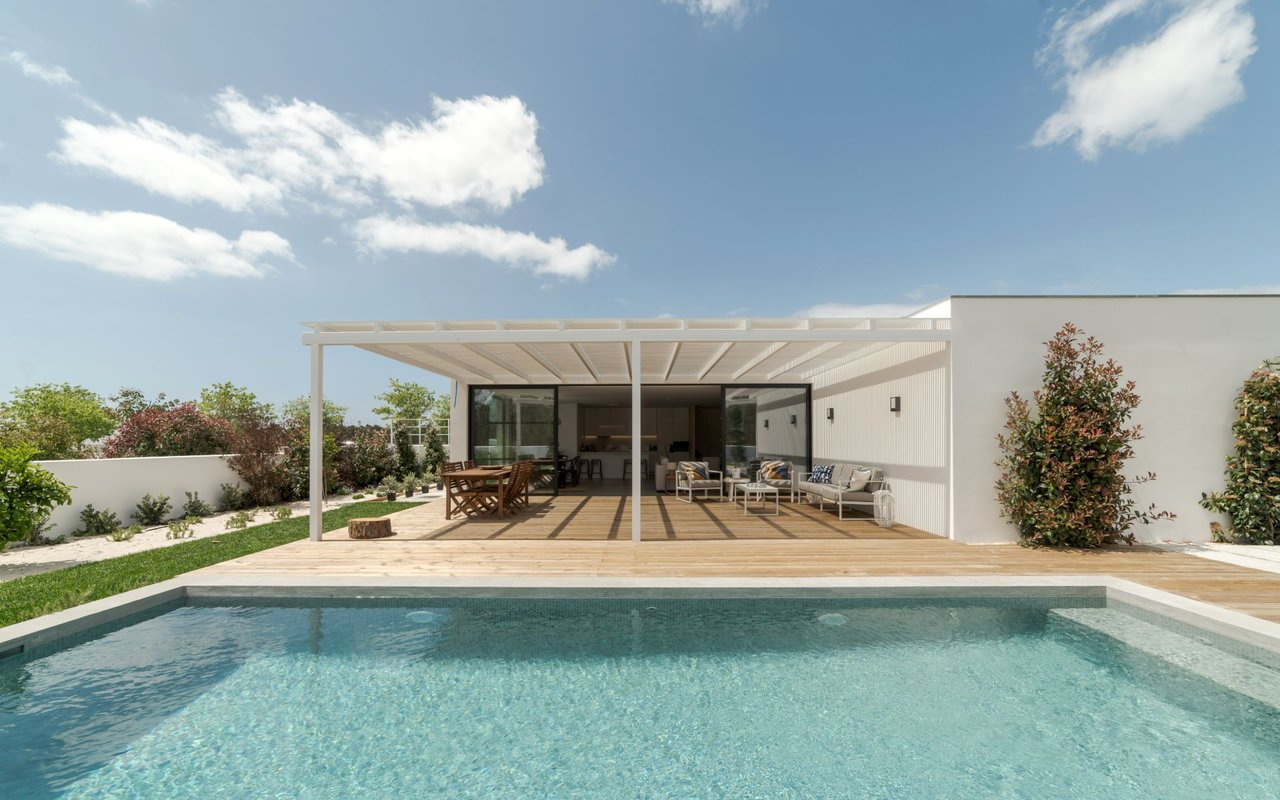
Townhome-style condos offer multi-level layouts with private entries, in-unit laundry, and sometimes attached garages and decks. They feel closer to single-family living with fewer shared amenities. You get more storage and direct garage access in many communities. If you prefer privacy and defined spaces, this format can be appealing.
Amenities that shape daily life
Today’s buyers look for wellness and work-from-home features. Co-working rooms, meeting spaces, and upgraded fitness centers are increasingly common. Outdoor areas like roof decks, barbecue terraces, and landscaped courtyards add real value. Security features such as package lockers and key fob access help daily convenience. Pet amenities and rules vary by building, so check the CC&Rs for size or breed restrictions.
EV charging is a growing priority. Some buildings retrofit chargers or designate EV-ready stalls. Ask how many chargers exist now, what the installation process looks like, and how costs are shared.
Parking, storage, and EV readiness
Parking can materially affect convenience and resale. Deeded stalls typically carry more value than assigned spaces because they transfer with the unit. In older Westside buildings, tandem parking is common, which affects daily routine and access. Guest parking is often limited, so confirm capacity if you host often.
Many buildings offer separate storage lockers or rooms. Verify size, location, and whether the storage is deeded. For EVs, clarify power availability, charging policies, and any current waitlist.
Boat-slip access basics
Slip access is a defining question in Marina del Rey. You will find three models: deeded slips, leased slips from the building or harbor, or no slip access. Fees, sizes, transfer rules, and waitlists vary. If you are an active boater, confirm the exact slip dimension and costs, and how County coordination works in your scenario before you write any offer.
HOA health and monthly dues
HOA dues fund maintenance, staff, insurance, reserves, and amenities. Waterfront towers and amenity-rich buildings commonly have higher monthly dues. Ask for the most recent reserve study and a history of special assessments. Understand the master insurance policy type and what your HO-6 policy should cover, including interior finishes and personal property.
Pending litigation can affect financing, dues, and resale. Review the HOA meeting minutes, budgets, litigation disclosures, and any code enforcement issues as part of your diligence.
Safety, flooding, and seismic questions
Marina del Rey sits at low elevation next to the harbor. Some properties fall within FEMA flood zones. Even if flood insurance is not required by your lender, it can still be worth evaluating, especially for waterfront units. For longer-term risk awareness, look into coastal storm exposure and sea-level rise modeling resources.
As with all of California, seismic risk is a factor. Ask for records of any seismic engineering assessments, soft-story or concrete retrofits, and major capital improvements. These details influence safety, future costs, and peace of mind.
Rules for rentals and pets
Short-term rentals are regulated by both the County and HOA CC&Rs in this unincorporated area. Confirm minimum lease terms, rental caps, and whether any form of short-term rental is allowed. Pet rules vary widely between buildings. Review CC&Rs for number limits, weight rules, and any required registrations or deposits.
Location tradeoffs within Marina del Rey
Not all addresses live the same. Waterfront towers offer views and quick access to promenades and marinaside parks, while inland buildings can feel calmer and often come with lower dues. Consider distance to bike paths, beaches, grocery, and dining. Be mindful of potential noise from marina activity, boat engines, or nightlife near certain corridors.
Quick decision checklist
Use this side-by-side list to compare any two buildings.
- Building basics
- Type: waterfront tower, courtyard low-rise, or townhome
- Year built and recent major renovations
- Number of units and owner-occupancy rate
- Unit-specific
- View orientation: marina, water, street, or courtyard
- Balcony or outdoor space and exposure
- In-unit laundry or shared laundry
- Floor level and elevator access or wait times
- Parking and storage
- Deeded parking, tandem stalls, and guest parking availability
- Garage access and EV charging readiness
- Additional storage such as lockers or garage lofts
- Boat access
- Slip availability: deeded, assigned, or leased
- Slip size, transferability, and fees
- Harbor or County coordination and any waitlist steps
- HOA and finances
- Current monthly dues, last reserve study date, and reserve balance
- Recent special assessments and delinquency rate
- Master insurance coverage scope and recommended HO-6 details
- Any pending litigation or code enforcement issues
- Rules and operations
- Short-term rental policy and long-term rental caps
- Pet policy and guest rules
- Renovation rules, approval timelines, and cost sharing
- Safety and hazards
- FEMA flood-zone designation and any recent flooding history
- Seismic retrofit status and known structural items
- Building security features
- Amenities and maintenance
- On-site amenities and condition: pool, gym, roof deck, concierge
- Age and maintenance of elevators and HVAC systems
- Location and lifestyle
- Distance to beach, bike paths, parks, grocery, retail, and transit
- Noise sources such as marina activity or nightlife
- Transactional documentation to request
- HOA resale packet: financials, CC&Rs, minutes, and litigation disclosures
- Recent reserve study and budgets
- Building inspection or engineering reports
- Slip documentation and any lease or assignment rules
How to choose with confidence
Start with how you want to live day to day. Do you want a vertical lifestyle with services and views, or a quiet townhome with private entry and garage? From there, compare HOA health, flood and seismic factors, slip logistics, parking, and amenity quality. A clear framework makes the right building stand out.
If you want a curated short list, building-by-building insights, and help navigating HOA and slip details, reach out to Kristi Bakken. You will get boutique guidance backed by modern tools and a calm, data-informed process.
FAQs
Do I need flood insurance for a Marina del Rey condo?
- It depends on the FEMA flood zone and lender rules, and many waterfront owners consider coverage even when it is not required.
How hard is it to get a boat slip in Marina del Rey?
- Access varies by building: some have deeded slips, others rely on County-managed moorage with waitlists and fees, so verify details early.
Are HOA dues typically high in Marina del Rey waterfront towers?
- Dues vary by building and amenity level, and waterfront towers or newer amenity-rich properties often carry higher monthly fees.
Can I rent my Marina del Rey condo short-term?
- Check both County regulations and your HOA CC&Rs, since many buildings restrict short-term rentals and set minimum lease terms.
What condo type works best if I work from home in Marina del Rey?
- Townhomes offer private multi-level layouts, while towers with co-working rooms or meeting spaces can support remote work as well.
What parking details should I verify before buying a Marina del Rey condo?
- Confirm whether spaces are deeded or assigned, any tandem setup, guest parking availability, EV charging options, and storage inclusion.