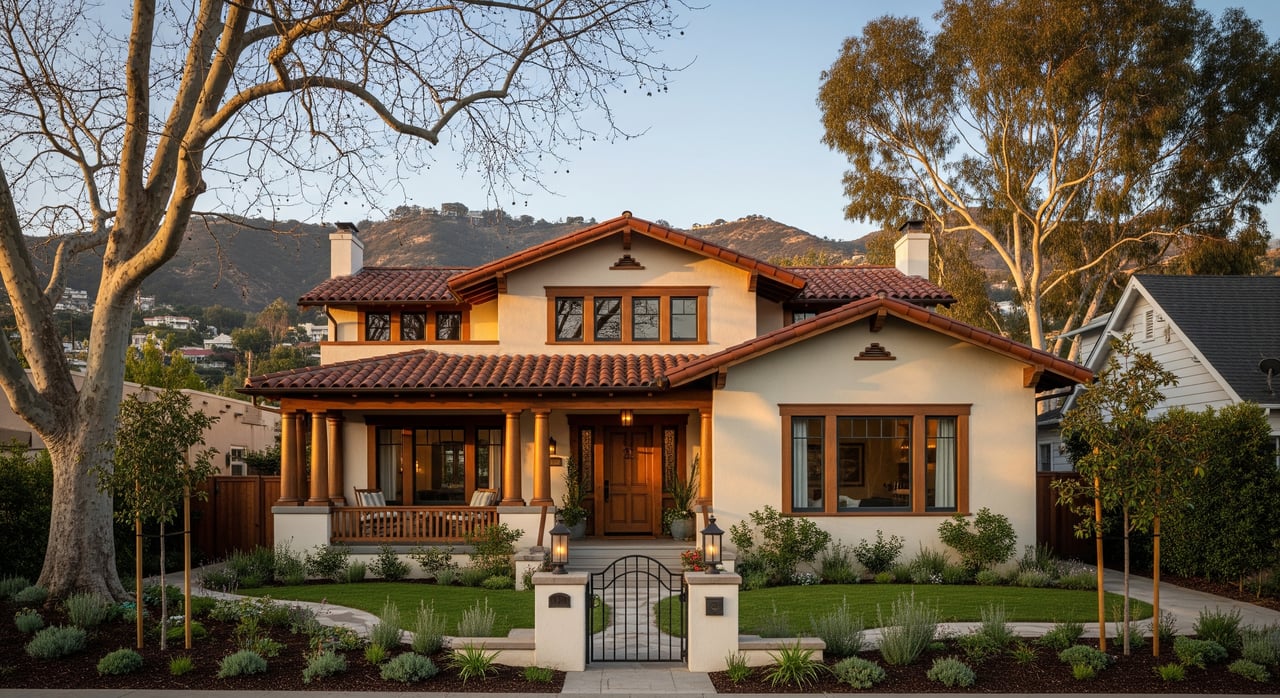
Eyeing a charming Spanish or Craftsman in Los Feliz and keep hearing “HPOZ”? You’re not alone. Buying in a historic district can feel complex when you want to personalize a home. The good news is you can renovate, but you need to follow clear rules and timelines. In this guide, you’ll learn what the Los Feliz HPOZ covers, how approvals work, what it means for costs and schedules, and the smart steps to take before you write an offer. Let’s dive in.
Los Feliz HPOZ basics
The Los Feliz Historic Preservation Overlay Zone is a local zoning overlay that protects the neighborhood’s historic character. It focuses on exterior changes visible from the street so that homes and streetscapes keep their defining look over time. The City of Los Angeles administers HPOZs through adopted Preservation Plans and published procedures.
A key concept is property status. Homes are classified as either contributing or non‑contributing to the district’s character. Contributing homes face stricter review and higher standards for materials and design. Non‑contributing homes have more flexibility, but visible work still needs to fit the streetscape.
If you want a quick foundation, review the City’s HPOZ program overview. For Los Feliz, the Los Feliz HPOZ Preservation Plan is your most important reference.
What changes need approval
Street-visible exterior work
Most HPOZ review focuses on what you can see from the public right of way. Façades, rooflines, porches, windows, and doors are typical items. The goal is to keep character-defining features consistent with the home’s style and the block’s pattern.
Additions and new construction
Additions must be compatible in scale, massing, materials, and roofline. New construction, including ADUs and garages, is reviewed for visual compatibility. Highly visible additions or new buildings usually face deeper scrutiny, especially on contributing properties.
Demolition and partial demolition
Demolition of contributing structures is tightly controlled and often discouraged. The HPOZ Board can deny demolition or require mitigation. Non‑contributing structures may have a path forward, but the project still needs to protect the district’s visual character.
Site features and mechanical systems
Fences, driveways, garages or carports, and landscape changes that shape the public view often need review. Visible equipment like rooftop HVAC units, satellite dishes, and solar panels is reviewed for placement and visibility.
Paint and interiors
Simple paint color changes often do not require HPOZ approval in Los Angeles. Painting unpainted masonry, removing historic finishes, or altering decorative features can trigger review. Interiors are generally not regulated unless separately landmarked.
How the approval process works
Start with HPOZ staff
Many owners begin with a pre-application or informal consultation. Staff will confirm whether your project needs review and what to submit. Early feedback can save time by aligning your design with the Preservation Plan.
Staff vs. Board review
Some small, clearly conforming projects can be approved by staff or at the Director level. Projects that do not qualify for administrative approval go to the HPOZ Board for a public meeting. Board meetings are usually held monthly, and you or your design team will present drawings and materials.
What to submit
Typical submittals include a site plan, elevations, a materials list, photos of existing conditions and context, and a short narrative explaining how the work meets the Preservation Plan. For major changes or demolition, staff may require additional documentation of historic significance and mitigation measures.
How HPOZ approval ties to permits
If the HPOZ approves your project, you receive a decision letter or Certificate of Appropriateness. You must include that approval when you submit for building permits with the Los Angeles Department of Building and Safety. Learn more about permits with LADBS. HPOZ approval is separate from permits, and additional Planning approvals may be needed for use changes or zoning exceptions.
Timelines and what to expect
Straightforward projects that qualify for staff or Director review often process in a few weeks. Many Los Angeles HPOZs target around 30 days for conforming work. If your project needs Board review, plan on one to two months because of meeting schedules, public noticing, and potential revisions.
Large additions, demolition, and new construction can take several months to a year when you include design revisions, community input, environmental review, and permit plan check. Common causes of delay include incomplete submittals, requests for revised drawings to meet the Preservation Plan, CEQA review for demolition of contributors, and coordination with LADBS.
Costs and project planning
Expect to invest in compatible materials and details that match your home’s style. Items like wood windows, clay tile roofing, and plaster repair can cost more than off-the-shelf alternatives. You should also budget for design and administrative time to prepare submittals and respond to Board feedback.
There can be a financial offset if the home qualifies for historic incentives. The City’s Mills Act program is a property tax contract that can reduce annual property taxes in exchange for ongoing maintenance of historic features. If a property already has a Mills Act contract, review its obligations before you buy.
Smart due diligence before you buy
Use this checklist to confirm the facts and avoid surprises:
- Confirm whether the property lies within the Los Feliz HPOZ boundary using the Los Feliz HPOZ Preservation Plan.
- Verify whether the home is classified as a contributing or non‑contributing resource; standards differ by status.
- Ask the seller for documentation of recent exterior work and any HPOZ approvals or Certificates of Appropriateness tied to permits.
- Request the HPOZ case file for the property or nearby comparables to see how the Board has interpreted the Plan.
- Secure a current copy of the Los Feliz Preservation Plan and HPOZ procedures from the City’s HPOZ program overview.
- Check for any Mills Act contract or other historic agreements that affect taxes and maintenance.
- If you plan changes, consult an architect familiar with Los Angeles HPOZs, ideally with Los Feliz experience, before finalizing your offer strategy.
When to bring in pros
- Buyer’s agent: Work with an agent who flags HPOZ implications early and helps you plan timelines and offer terms around approvals.
- Architect/designer: Hire a professional with Los Feliz HPOZ experience to shape a design that aligns with the Preservation Plan from the start.
- Preservation consultant or attorney: For complex projects, demolition, or new construction, specialized guidance can streamline approvals and reduce risk.
The upside of buying in an HPOZ
You are buying into a neighborhood with protected character, consistent streetscapes, and architecture that tells a story. That long-term stability is a draw for many buyers. With the right plan and team, you can update a home to fit your life while honoring what makes Los Feliz special. For context on the area’s architecture, explore the Los Angeles Conservancy.
Your next step
If you are considering a home in the Los Feliz HPOZ, thoughtful prep is everything. From verifying status to setting a renovation timeline, a clear plan helps you buy with confidence. If you want a warm, boutique experience paired with disciplined strategy, connect with Kristi Bakken to map your next move.
FAQs
Does the Los Feliz HPOZ regulate interiors?
- Generally no; HPOZ review focuses on exterior work visible from the street unless an interior is separately landmarked.
How long does HPOZ approval take in Los Feliz?
- Staff-level approvals for simple, conforming work often take a few weeks; projects that go to the HPOZ Board typically take one to two months or more.
Can you add an ADU at a home in the Los Feliz HPOZ?
- Yes, ADUs are possible, but design, placement, and visibility must be compatible with the district and will be reviewed for impact on the streetscape.
Are paint color changes reviewed in the Los Feliz HPOZ?
- Simple paint color changes often do not require approval, but painting unpainted masonry or altering historic finishes may trigger review; always check the Preservation Plan.
Can you replace original windows in the Los Feliz HPOZ?
- Window replacement is closely reviewed on contributing homes, and repair or replication of original profiles and materials is often preferred over full replacement.
Can you demolish and rebuild in the Los Feliz HPOZ?
- Demolition of contributing structures is tightly controlled and may be denied; non‑contributing buildings face fewer constraints but still require review for compatibility.
What is the Mills Act and how does it relate to Los Feliz HPOZ?
- The Mills Act is a property tax incentive that can reduce taxes for qualified historic properties in exchange for maintenance obligations, subject to City program rules.