Is pricing your Santa Monica condo feeling tricky right now? You are not alone. Rates, inventory, and HOA factors have shifted buyer behavior, and a small pricing miss can add weeks to your timeline or leave money on the table. In this guide, you will learn how to read today’s local signals, weigh the building and neighborhood variables that matter, and set a list price with confidence. Let’s dive in.
What drives Santa Monica condo prices
Santa Monica is a coastal micro-market with steady demand and limited supply. Pricing responds quickly to changes in mortgage rates because buyer purchasing power moves with monthly payment. It also tracks seasonality, listing volume, and how fast well-priced units go pending.
For up-to-date context, review fresh sold data and days on market before you price. The most reliable sources are the local MLS and monthly reports from the California Association of Realtors. Avoid relying on outdated averages, because median prices and absorption can shift month to month.
Neighborhood factors to consider
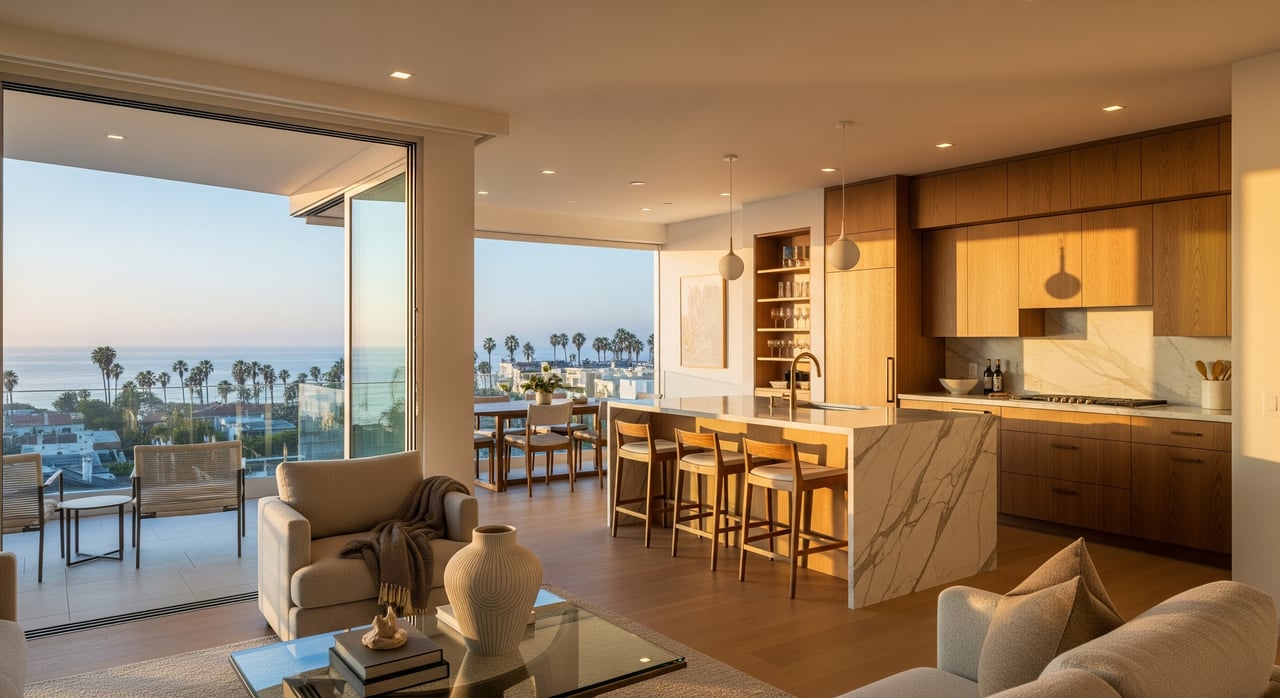
Location inside Santa Monica impacts price per square foot. Units close to the beach, with ocean views, or near Downtown and Third Street Promenade often command premiums. Easy access to the Expo Line, major bus routes, and freeways can also expand your buyer pool.
Micro-neighborhoods have distinct buyer expectations. Downtown/Third Street, Wilshire-Montana, Ocean Park, Pico, and Northeast Santa Monica each attract different lifestyle preferences and price points. The best comps usually come from your building first, then the immediate block, then the closest comparable area.
Building and unit features that move value
In condo pricing, building and unit specifics often matter more than broad zip code averages. Give careful weight to:
- Floor level and view: Higher floors or clear ocean and city views tend to price higher.
- Size and layout: Usable square footage, bedroom and bathroom count, and open plans affect value.
- Parking and storage: Dedicated, assigned parking and extra storage are major pluses in Santa Monica.
- Age, condition, and amenities: Newer or recently updated buildings with on-site amenities can support higher price per square foot.
- Renovations and finishes: Modern kitchens, refreshed baths, and quality materials reduce buyer objections.
- HOA fees and coverage: Higher fees suppress price unless they offset costs with included utilities, insurance, or reserves.
Rules and HOA factors that shape value
Local regulations and HOA health influence buyer appetite and pricing. Verify these items early so you can price accurately and avoid renegotiation later.
Rent control and tenant status
Some Santa Monica properties, especially those built before 1979, are covered by local rent control rules. Coverage can impact investor demand, rent growth, and buyer risk perception. Review guidance from the Santa Monica Rent Control Board resources and share confirmed status and details with prospective buyers.
Short-term rental restrictions
Santa Monica maintains strict rules around short-term rentals. Unpermitted activity creates compliance risk and reduces investor interest. Confirm current requirements on the City of Santa Monica official site before you consider income assumptions tied to short stays.
HOA financial health and assessments
Low reserves, pending litigation, or special assessments can reduce buyer willingness to pay. Gather the latest budget, reserve study, insurance details, and recent meeting minutes early. Buyers will price in risk if there is uncertainty.
Taxes and transfer costs
Understand your property tax basis and anticipate reassessment at sale. Check parcel-specific information with the Los Angeles County Assessor. Confirm current city and county transfer taxes so your net sheet is accurate.
Disclosures and inspections
California requires a Transfer Disclosure Statement, Natural Hazard Disclosure, and other statutory forms. If the building predates 1978, evaluate lead-based paint disclosures. You can review seller obligations through the California Department of Real Estate.
How to build a data-backed CMA
A clear comparative market analysis, or CMA, anchors your list price to what buyers are actually paying today. Use this step-by-step approach:
- Time window: Start with closed sales from the last 3 to 6 months. Extend only if volume is thin.
- Proximity: Pull same-building comps first. If none exist, expand to the same block or immediate micro-area.
- Match key attributes: Align bedroom and bath count, square footage, floor level, view, orientation, and parking.
- Adjust thoughtfully: Account for view premiums, renovations, extra parking, HOA fee differences, and date of sale.
- Scan active and pending listings: Position your price against current competition, but rely on closed sales to set value.
- Track DOM and list-to-sale ratios: Use these to calibrate how aggressive you can be without stalling.
Tip: Keep your adjustment notes simple and consistent. Buyers respond well when your logic is transparent and easy to follow.
Adjustments that usually matter most
When you compare comps, focus on a few variables that reliably move price:
- Ocean or landmark view: Often a significant premium.
- Higher floor in mid or high-rise: Added value due to views and privacy.
- Assigned parking: Especially important if comparable units lack it.
- Renovated kitchens and baths: Modern, neutral finishes tend to pay off.
- HOA fee level and inclusions: Higher fees generally lower price unless they cover meaningful costs.
- Tenant occupancy and rent control: Tenant-occupied or controlled units typically sell at discounts versus vacant units.
Choose a pricing strategy for today’s market
There is no single “right” list price. Your strategy should reflect current demand, your timeline, and the risk you want to take.
- Competitive pricing: List slightly below the top recent comp to attract multiple buyers and shorten days on market.
- Market-value pricing: List near the CMA-supported value and lean on marketing quality and negotiation.
- High-anchor pricing: Test the upper range if comps are thin and the unit is unique. Expect longer exposure and a higher chance of appraisal pushback.
- Psychological thresholds: Consider how buyers set search filters. Pricing at 999,000 vs 1,000,000 can shift visibility and perceived value. Use this tool deliberately.
- Plan for reduction windows: If you miss the mark, adjust in clear steps with a fresh marketing push rather than small, frequent cuts.
Pre-list actions that maximize your result
You earn your sales price before day one on the market. A few targeted steps can elevate your condo among competing listings.
- Pre-list inspection: Surface issues early so you can fix them or price around them.
- HOA documents upfront: Secure your resale certificate, CC&Rs, budget, reserves, insurance, and any assessment notices.
- Staging and visual storytelling: Declutter, style for photos, and invest in crisp floor plans, virtual tours, and video.
- Minor improvements with major impact: Fresh paint, lighting, hardware, and simple bath updates often yield outsized returns.
- Appraisal readiness: Create a clean packet of comps, upgrade summaries, and HOA inclusions for appraisers.
If upfront prep costs are the barrier, programs like Compass Concierge can help pre-fund approved improvements, then settle at closing. This approach can reduce friction while positioning your home for a stronger first impression.
Documents and data to gather for buyers
Create a streamlined information set so qualified buyers can make confident, fast offers.
- HOA resale packet, CC&Rs, bylaws, and rules
- Current budget, reserve study, insurance certificate, recent meeting minutes
- Disclosure forms: TDS, NHD, and any building-specific notices
- Special assessment history or notices of pending assessments
- Pre-list inspection report and receipts for completed repairs
- Parking and storage details, including assigned space numbers
- Recent utility history and average HOA inclusions
- Measurement verification and a professional floor plan
- Recent closed comps and a simple pricing memo explaining your logic
How to talk about market data with buyers
Transparency builds trust. Instead of quoting a stale average, show recent same-building sales, explain your adjustments in plain terms, and acknowledge trade-offs like higher HOA fees or a partial view. Invite buyers to review the same sources you used, including C.A.R. housing data and relevant city information on the City of Santa Monica site. This keeps everyone aligned around current facts.
Putting it together
The right list price is a blend of hard data and local nuance. Start with recent, same-building comps, adjust for the variables that truly move value, check HOA health and local rules, then pick a pricing strategy that fits your goals and timeline. With clean disclosures and polished presentation, you give buyers clarity and a reason to move quickly.
If you want a precise, building-level pricing plan and a tailored prep strategy, reach out to Kristi Bakken. Get your instant home valuation, see your top comps, and map out a clear path to market with high-impact visuals and a confident launch.
FAQs
How do Santa Monica sellers find accurate condo comps?
- Start with closed sales in your building from the last 3 to 6 months, then expand to the immediate block or micro-area with the same bed, bath, size, floor, view, and parking profile.
How much do HOA fees affect Santa Monica condo pricing?
- Higher monthly fees usually push price down unless they offset costs through meaningful inclusions like utilities or strong reserves that reduce future assessment risk.
Do rent control rules change what buyers will pay for a condo?
- Yes, rent-controlled or tenant-occupied units often sell at discounts because rent growth and possession timing can be constrained under local regulations.
Should I list high to leave room to negotiate?
- Overpricing tends to increase days on market and can lower your eventual net; CMA-aligned pricing supported by quality marketing usually yields more predictable results.
When is a pre-list appraisal or inspection worth it?
- Consider an appraisal when comps are thin or you anticipate an appraisal gap, and get a pre-list inspection to remove surprise repairs as a negotiation lever.
How do Santa Monica’s short-term rental rules impact value?
- Strict rules limit investor and host demand, so pricing should not assume short-stay income unless fully compliant with current city requirements.